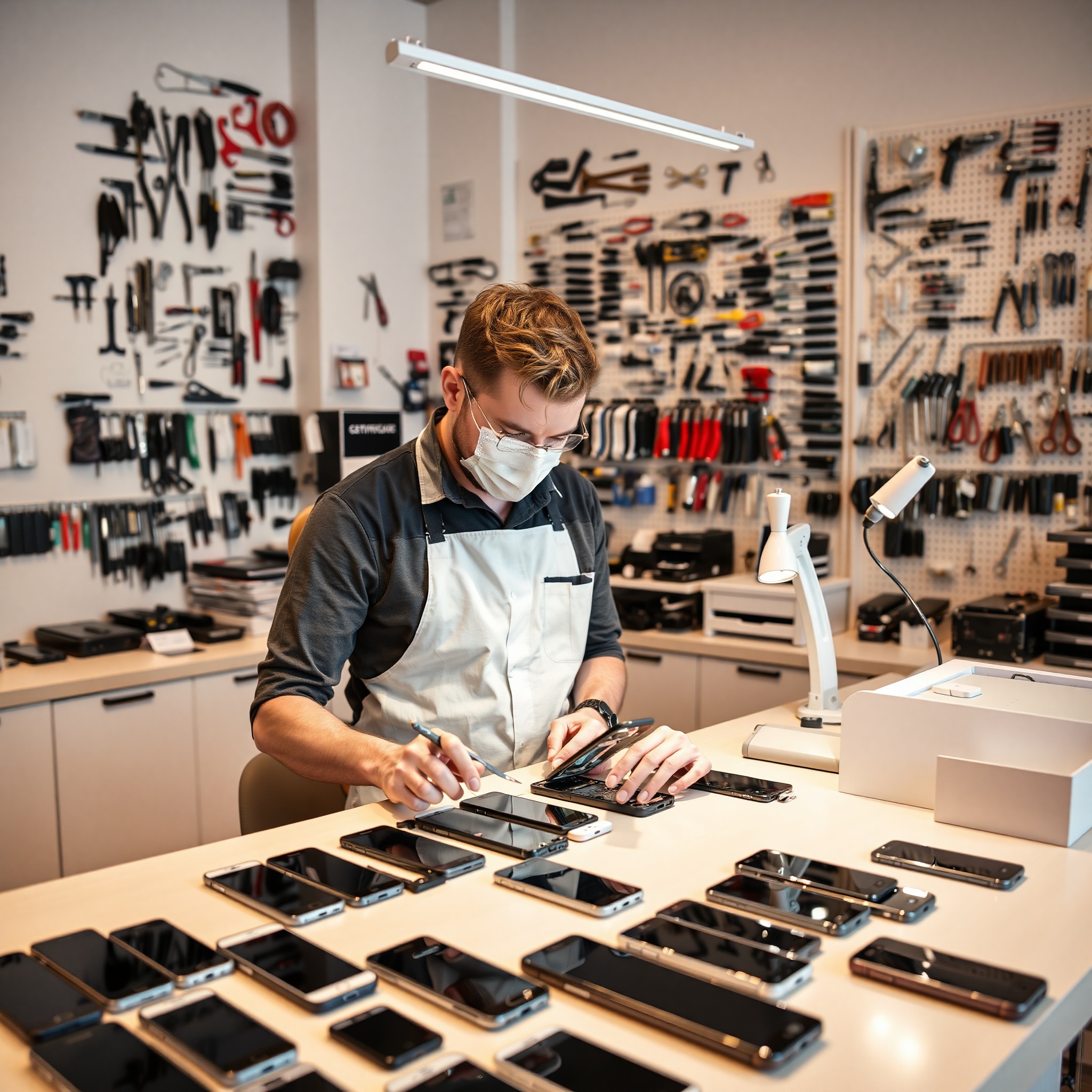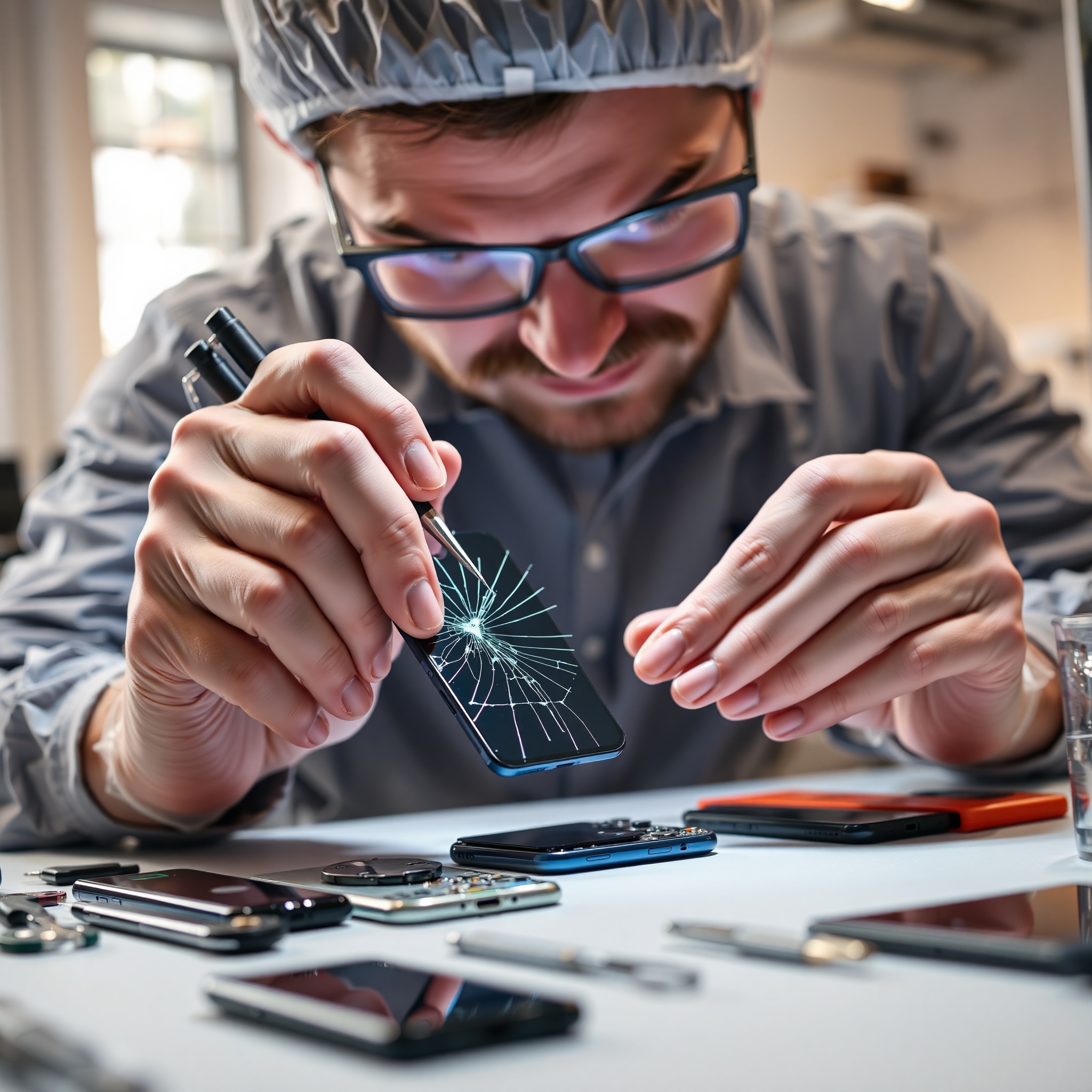
Professional Screen Replacement Guide
Master the techniques for replacing damaged smartphone screens safely. Learn step-by-step procedures and avoid common mistakes that cost thousands.
Read MoreSuccessfully repairing your own smartphone requires more than just courage—it demands the right tools. Discover the professional-grade instruments that make the difference between a successful repair and costly damage. This comprehensive guide walks you through every essential tool you’ll need to tackle common phone repairs with confidence and precision.
Before you open your first smartphone, you need to understand that modern devices are engineering marvels sealed with precision adhesives and held together by microscopic fasteners. The difference between a professional repair technician and an amateur often comes down to having appropriate tools. Using improvised tools—such as kitchen knives, flathead screwdrivers, or metal spoons—can damage delicate internal components, scratch screens, or short-circuit vital circuits.
A proper DIY phone repair toolkit isn’t about having every tool imaginable. Rather, it’s about having the right instruments for the specific repairs you’re likely to attempt. Most successful DIY repairs fall into several categories: screen replacement, battery changes, port cleaning, and minor component swaps. Each category requires specialized tools that ensure precision and minimize damage risk.
Investing in quality tools pays dividends in successful repairs and prevents expensive mistakes. Professional-grade tools may cost more initially, but they provide better control, durability, and accuracy. A damaged screen might cost $50 to replace, but destroying your phone entirely during a repair attempt costs significantly more. Quality tools are an investment in your phone’s longevity.
Precision tools form the backbone of any phone repair toolkit. The most critical precision tools include specialized screwdrivers designed specifically for smartphones. Unlike standard screwdrivers, phone repair screwdrivers feature magnetic tips to prevent dropping tiny fasteners and appropriately sized heads for various phone models—typically including Pentalobe, Phillips, T5, and T6 Torx bits.
The spudger tool is equally essential. This flat, angled plastic tool allows you to gently pry open phone casings, separate adhesive seals, and disconnect delicate ribbon cables without causing electrical damage. Spudgers come in various sizes, with anti-static variants particularly important for protecting sensitive components. A quality plastic pry tool set usually includes different angles and thicknesses for different applications.
Modern smartphones use aggressive adhesives to seal screens and components. Removing these adhesives requires patience, heat, and the right tools. A heat gun or hair dryer on high setting helps soften adhesive, making separation safer. However, a precision heat gun designed for phone repair provides better control and prevents accidental damage to internal components that can occur with direct heat exposure.
When removing screen adhesive, thin metal cards or specialized plastic pry tools work best. Never use sharp metal objects directly on screens—this guarantees cracks. The process typically involves heating the perimeter gently, inserting your tool slowly around the edges, and gradually working around the entire device. Rushing this process is the primary cause of cracked screens during DIY repairs.
Once components are removed, you’ll need to replace adhesive seals. Pre-cut adhesive strips specifically manufactured for your phone model ensure proper waterproofing and component positioning. Double-sided tape designed for electronics provides adequate adhesion without permanent bonding, allowing future repairs. Always purchase brand-specific adhesive strips rather than generic alternatives—precision fit matters significantly.
Beyond disassembly tools, effective phone repair requires cleaning and diagnostic equipment. Isopropyl alcohol (90% concentration minimum) cleans residual adhesive, dust, and oxidation from circuit boards and connectors. A small brush with soft bristles helps remove debris from charging ports and speaker openings. Many charging port failures result from lint accumulation—a simple cleaning often restores functionality without component replacement.
A multimeter provides essential electrical diagnostics, allowing you to test battery voltage, verify charging circuits function, and identify short circuits before reassembly. Testing before reassembly prevents wasting hours on repairs that fail to resolve the original problem. Similarly, a phone’s power and charging status should be verified at each repair stage.
90%+ concentration for circuit board cleaning and adhesive removal
Small brushes for cleaning ports and delicate component surfaces
Digital multimeter for electrical diagnostics and voltage testing
10x magnification for identifying small components and solder points
Compartmented storage for tiny screws and delicate components
Grounding strap preventing static discharge damage during repairs
As your DIY repair skills develop, certain advanced tools become invaluable. A microscope or digital microscope attachment for phones allows inspection of tiny solder connections, identifying cold solder joints, or examining microchip damage. This equipment, once reserved for professional technicians, has become affordable enough for serious hobbyists.
Safety equipment deserves serious consideration. Anti-static wrist straps ground you while working with sensitive electronics, preventing static electricity from destroying components. Safety glasses protect your eyes from battery acid exposure—lithium-ion batteries in phones can rupture, releasing corrosive chemicals. Nitrile gloves protect both your hands and components from oils and contaminants.
Proper lighting proves essential but often overlooked. A desk lamp with adjustable brightness and positioning helps you see tiny components clearly. LED headlamps with magnifying attachments provide hands-free lighting directly over your work area. Many DIY repair mistakes occur simply because technicians couldn’t see what they were working on clearly.
Consider investing in a phone-specific repair manual or online subscription service. These resources provide detailed disassembly instructions, component location diagrams, and troubleshooting guides for your specific phone model. Attempting repairs without proper reference documentation significantly increases failure rates and damage risk.
Don’t feel pressured to purchase every tool at once. Most successful DIY repairers build their toolkits gradually. Start with the essentials: a quality precision screwdriver set, spudger, tweezers, and a heat gun. These four tools address approximately 70% of common phone repairs. Once you’ve successfully completed several repairs, you’ll understand which additional tools would benefit your specific needs.
Budget-conscious repairers should prioritize quality over quantity. A single excellent precision screwdriver set costing $30-50 outperforms a cheap set costing $10 that strips screws or breaks bits. Damaged tools lead to damaged phones, making false economy counterproductive. Many professional repair shops use identical tools available to DIY enthusiasts—the difference lies in skill development and experience.
When purchasing tools, verify they’re specifically designed for phone repair rather than generic electronics tools. Phone screws use unique head designs (Pentalobe, for instance) found nowhere else. Similarly, phone-specific spudgers use materials and angles optimized for modern smartphone construction. Generic tools often don’t fit properly, leading to stripped screws and component damage.
The journey into DIY phone repair begins with proper tools. While the initial investment might seem substantial, consider it insurance against costly mistakes and phone replacements. Quality tools last years, serving you through countless repairs while maintaining precision and safety.
Start small with beginner-friendly repairs like screen replacement or battery changes. These repairs teach fundamental techniques while building confidence for more complex work. Always reference device-specific repair guides, photograph your progress, and never rush any step of the process. Patience combined with proper tools transforms phone repair from intimidating to achievable.
Remember that professional repair technicians were once beginners too. They developed expertise through practice, learning, and gradually accumulating the right tools. Your commitment to having proper equipment from the start positions you for success and sets you apart from amateur repairers who damage phones through improvisation and inadequate tools.